 Pagalmusiq.com Popular News Update Website | Pagalmusiq.com
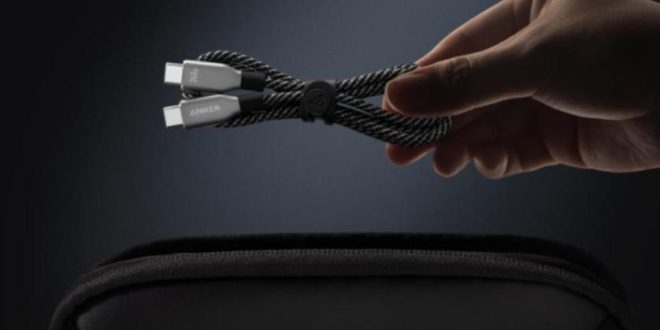
Charging cables are small, everyday tools, yet we often neglect them until a failure disrupts our routine. Over time, even the most carefully handled cables can experience wear, stress, or hidden damage that affects performance. In daily life, this may manifest as intermittent charging during a commute, a phone not fully charging overnight, or visible wear near the connectors. Ignoring these signs not only risks damaging your devices but can also create safety hazards. In this article, we will outline the most common warning signs and how to replace your charging cable safely and effectively.
Visible Physical Damage
Fraying, Cracking, or Exposed Wires
Cables often develop frayed sections near the ends, especially where bending occurs frequently. Exposure of internal wires is not just unsightly—it can create sparks or short circuits. Cracks along the insulation reduce the cable’s ability to safely carry current, increasing the risk of overheating. Daily routines like wrapping the cable tightly or yanking it from outlets accelerate this wear. Checking for fraying or cracks regularly helps prevent small issues from turning into dangerous situations.
Bent or Damaged Connector Ends
Connector ends are particularly vulnerable to damage due to repeated insertion and removal. Bent or deformed plugs can lead to unreliable electrical contact and may even damage the device’s port. Misaligned connectors may cause scratches or loosen the internal contacts over time. Users often notice that the cable only works when held at a certain angle or produces intermittent sparks. Monitoring the integrity of connectors ensures consistent performance and safety for both the cable and your device.
Unreliable Connection and Charging
Intermittent Charging: Works Only at an Angle
Cables that charge only when positioned at a certain angle often have internal breakage near the plug. Tiny wires inside may break or detach from the connector due to repeated bending. This issue can appear gradually, starting with sporadic charging failures. Over time, it may worsen, leaving you unable to charge your device at all. Addressing this problem early prevents frustration and potential damage to the charging port of your phone.
Loose Fit: Falls Out Easily or Won’t Click In
A loose connection is another sign that the cable may need replacement. When the plug fails to stay firmly in the device, charging is inconsistent and may stop unexpectedly. This can also strain the port on the phone, causing long-term wear. Loose-fitting connectors are common with older or lower-quality cables. Ensuring a snug, secure fit is essential for both reliable charging and the longevity of your device.
Charging Becomes Slower
Noticeable Drop in Charging Speed
If your phone charges noticeably slower than usual, the cable may be degraded internally. Worn wires increase resistance, reducing the current reaching your device. This often happens subtly at first but worsens over weeks or months. Daily use, especially fast charging, can accelerate the decline in performance. Paying attention to changes in charging speed allows timely replacement before it interferes with your schedule.
Phone Says “Charging” But Battery Percentage Doesn’t Go Up
A related sign is when the phone displays a charging icon, yet the battery percentage barely increases. This can result from partial breaks in the cable or poor connections at the plug. It often occurs with older cables or after physical stress, such as repeated bending. Relying on a cable in this condition may cause overheating or stress the phone’s internal charging circuits. Early replacement ensures your device charges efficiently and safely.
Device Errors and Warnings
“Accessory Not Supported” or “Not Charging” Alerts
Phones may display warnings if the cable is incompatible or damaged. Messages like “Accessory Not Supported” or “Not Charging” are a clear indicator that the cable cannot maintain reliable voltage. Ignoring these warnings can lead to unpredictable charging or even damage to the device’s charging port. Software updates may occasionally change how devices interact with cables, but persistent alerts are almost always a hardware problem. Replacing the cable promptly prevents further inconvenience and maintains consistent charging performance.
Overheating at the Connection Points
If the cable or connector becomes warm or hot during normal use, it may indicate internal resistance or damage. Overheating can degrade both the cable and the device port over time. This is especially concerning if combined with visible wear or fraying. Using a cable under these conditions increases the risk of sparks or short circuits. Monitoring temperature during charging helps you decide when a replacement is necessary to maintain safety.
Safety First: When to Replace Immediately
Any Sign of Sparking, Burning Smell, or Melted Plastic
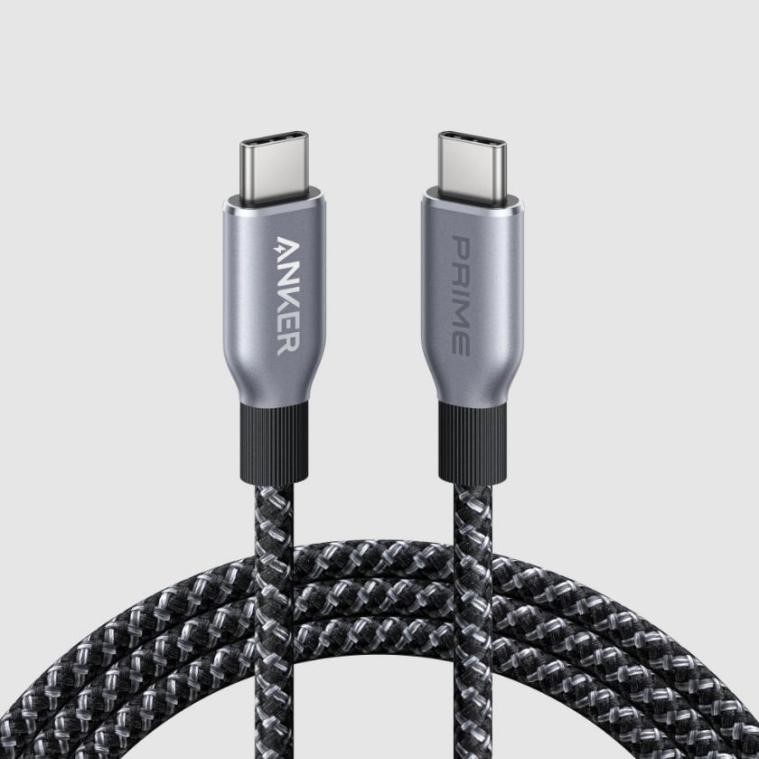
Any cable that exhibits sparks, a burning odor, or melted insulation should be replaced immediately to prevent fire hazards. Similarly, a cable that fails after a power surge may have internal damage that is not visible. When replacing such cables, it is important to choose a safe and reliable option. For example, for the iphone 17 charging cable, the Anker charging cable is highly recommended due to its reinforced construction, consistent performance, and strong safety certifications. Using a certified, high-quality cable reduces risks and provides peace of mind in daily charging routines. Timely replacement not only protects your device but also helps maintain a safe home environment.
After a Power Surge or Physical Pull
Even if there are no visible signs, cables that have experienced a sudden power surge or strong physical pull may be internally compromised. Subtle breaks in wiring can cause intermittent charging or overheating, which may go unnoticed until a serious failure occurs. Regular inspection and replacement after such incidents prevent unexpected issues. Being proactive in replacing damaged cables is cheaper and safer than dealing with device damage. Taking these precautions is essential for everyday safety and reliability.
Conclusion
Replacing a damaged charging cable promptly protects both your devices and your safety. Small signs—fraying, loose connectors, slower charging, or overheating—should never be ignored. Investing in a high-quality, certified replacement like an Anker cable ensures long-term reliability and minimal risk. Daily awareness and proactive maintenance prevent costly repairs or device failure. Ultimately, a new cable is a simple, inexpensive step that safeguards your technology and keeps your daily life running smoothly.