 Pagalmusiq.com Popular News Update Website | Pagalmusiq.com
Key Takeaways
● Daily read-alouds expose students to new vocabulary, sentence structures, and story comprehension techniques.
● Phonics and sight word practice build decoding skills and automatic word recognition, boosting reading fluency.
● Graphic organizers help students visually map story elements and relationships, improving understanding and recall.
● Repeated reading strengthens fluency, comprehension, and confidence with familiar texts.
● Print-rich environments and multisensory activities engage learners and encourage independent reading.
● Teaching comprehension monitoring strategies fosters reflective, self-directed reading habits.
● Supporting student choice and fostering a love for reading motivates lifelong literacy development.
Building strong reading comprehension skills in second graders is essential for their academic growth and lifelong love of reading. At this age, children are developing rapidly as readers and benefit greatly from a strategic, supportive approach at home and in the classroom. Whether you are a parent or educator, these proven strategies will empower young learners to become enthusiastic, confident readers. Get the free resource here to expand your collection of literacy tools and lesson plans.
Consistent use of targeted reading comprehension approaches not only improves academic performance but also fosters curiosity and critical thinking. Creating a supportive and inspiring literacy environment helps children feel eager to pick up a book and explore new ideas. Moreover, the strategies presented here are adaptable to individual student needs, making them highly effective for a variety of learning styles and developmental levels.
Engage in Daily Read-Aloud Sessions
Daily read-alouds introduce second graders to new vocabulary and more complex language structures in a meaningful context. Hearing stories read aloud helps children listen for meaning and build their ability to focus on the text’s content. Changing up genres, such as reading fiction, non-fiction, fairy tales, and poetry, keeps the experience fresh and allows children to see how language works in different settings. Read-alouds are also a wonderful opportunity to pause and ask questions, make predictions, and discuss characters’ motivations, all of which reinforce comprehension skills.
Implement Phonics and Sight Word Practice
Phonics and sight word activities form the cornerstone of reading proficiency in young readers. Phonics instruction helps children decode unfamiliar words, while sight word practice speeds up recognition of the most frequently used words in English. Encourage second graders to practice with decodable books and word cards, focusing on high-frequency words until they can read them automatically. Combining these two essential skills leads to smoother, more confident reading and allows children to shift their attention to making meaning from the text.
Utilize Graphic Organizers
Graphic organizers such as story maps, sequence charts, or Venn diagrams help second graders visually map out information and relationships in a story. These visual aids serve as cognitive scaffolds, allowing children to break down complex texts into manageable parts. For example, after reading a story, students can fill in a story map with details about the characters, setting, problem, and solution. Organizers also make it easier for students to recall information, compare characters, or synthesize key points in non-fiction selections.
Encourage Repeated Reading
Repeated reading is a powerful tool for increasing fluency, comprehension, and self-assurance. By reading the same book or passage multiple times, students become familiar with the language and can focus more energy on understanding the text. Select texts that are slightly below the child’s independent reading level so they can practice with ease and success. This approach also enables children to notice details, understand nuanced meanings, and build expressive reading skills. Repeated reading is especially effective when paired with adult feedback and encouragement.
Create a Print-Rich Environment
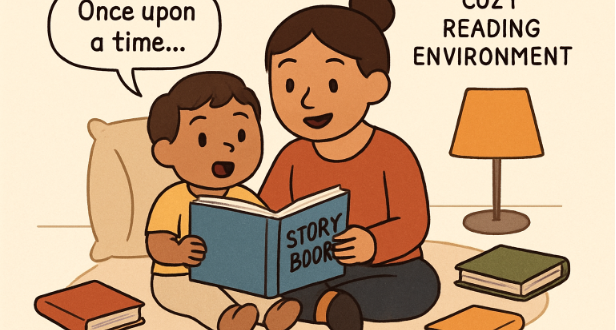
Providing a print-rich environment is essential for promoting literacy. Place books, magazines, word walls, and labels throughout the home or classroom to encourage spontaneous reading and writing. Environments filled with diverse reading materials inspire children to explore stories, facts, and poetry at their own pace, fostering autonomy and curiosity. Include a cozy reading corner or a special bookshelf where favorite titles are easily accessible, and regularly rotate materials to keep young minds engaged.
Incorporate Multisensory Learning Techniques
Multisensory activities engage visual, auditory, and kinesthetic-tactile learning pathways, aiding retention and making lessons more dynamic. For instance, using letter tiles to build words, tracing vocabulary in sand, or clapping out syllables alongside reading harnesses the power of learning through movement and touch. Such hands-on techniques can be especially helpful for students who benefit from different approaches to processing information.
Develop Comprehension Monitoring Strategies
Effective readers constantly monitor their understanding. Teach second graders to summarize sections of text, ask and answer questions, and predict events as they read. Promoting self-questioning and self-correction allows children to recognize when their understanding breaks down and apply strategies to fix it, such as rereading or looking for context clues. These habits cultivate independent, reflective readers who take control of their own learning.
Foster a Love for Reading
Choosing books based on personal interest and setting aside time for independent reading are both crucial for motivating second graders. Let children select from a wide range of genres, topics, and formats, and join them in conversations about what they are reading. Family storytelling, reading aloud together, and listening to audiobooks can help sustain a love for stories and language. When children see adults enjoying and prioritizing reading, they are more likely to do the same.
By weaving these strategies into your daily routines and interactions, you will help second graders grow into thoughtful, passionate readers prepared for future academic success.