 Pagalmusiq.com Popular News Update Website | Pagalmusiq.com
Accurate interpretation of cardiac rhythms is a critical skill in clinical settings. With advances in diagnostic tools, clinicians can extract deep insights from what appears to be a straightforward test. The resting 12-lead ECG remains one of the most informative and widely used cardiac assessments. Using devices like the EDAN SE-1202, powered by bold diagnostics and intuitive interfaces from EDAN, healthcare providers can decode complex heart rhythms with confidence.
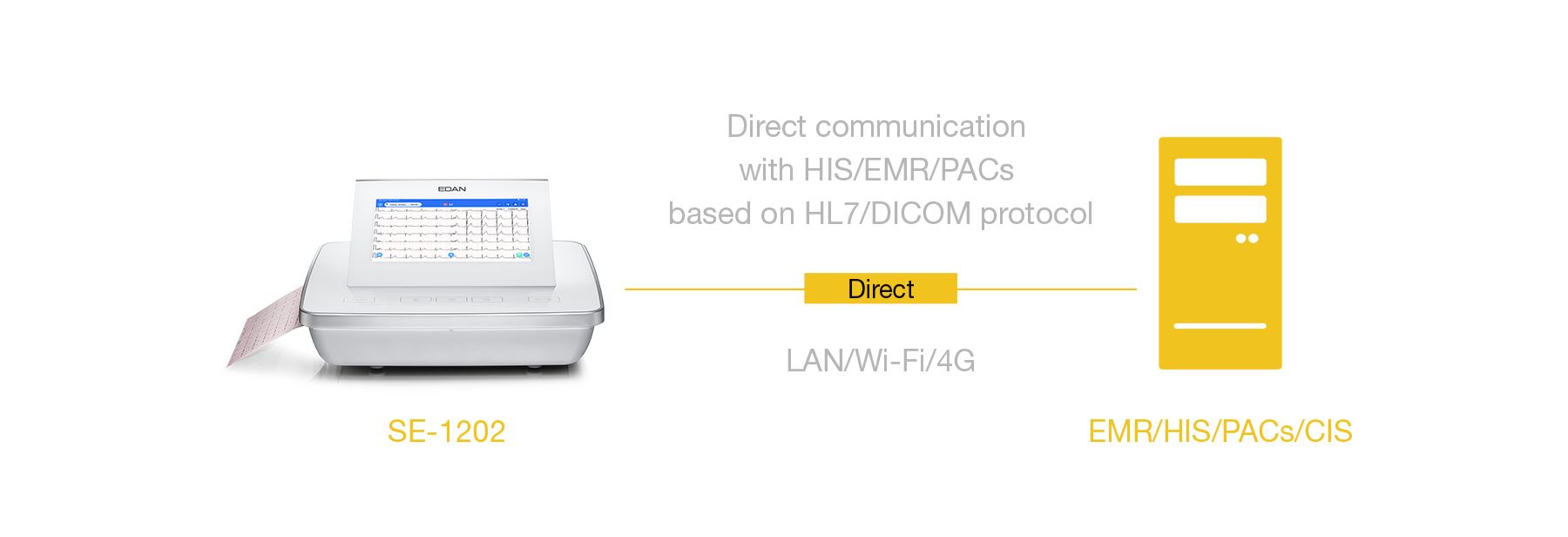
What Is a 12-Channel ECG and Why It Matters
A 12-channel ECG records the heart’s electrical activity from twelve different perspectives, using electrodes placed on limbs and the chest. These multiple leads provide a comprehensive picture of heart function, capturing electrical signals that represent atrial and ventricular depolarization and repolarization. This detailed information is essential for identifying arrhythmias, conduction delays, ischemia, and other cardiac abnormalities.
In a resting 12-lead ECG, the patient lies still while the system captures a snapshot of heart activity, typically lasting just seconds. Though simple to perform, the tracing provides rich data about rhythm, rate, axis, and waveform morphology, which are the key clues for clinical diagnosis.
Reading Patterns: From Basics to Advanced Interpretation
Clinicians begin by evaluating fundamental rhythm characteristics:
Heart Rate & Regularity: Establishing if the rhythm is regular or irregular, fast or slow.
P-Wave Morphology: Insights into atrial activity and possible atrial arrhythmias.
QRS Complex: Duration and shape can indicate ventricular conduction issues or block patterns.
ST-Segment & T-Wave Changes: These segments often guide detection of ischemia or injury.
A 12-lead ECG makes it possible to localize electrical abnormalities to specific regions of the heart, helping differentiate conditions such as bundle branch blocks, atrial fibrillation, or even prior myocardial infarctions.
The Clinical Edge with EDAN’s ECG Solutions
The EDAN SE-1202 exemplifies how modern ECG equipment enhances traditional diagnostics. Resting 12-lead ECG capability, intuitive display, and robust rhythm analysis support clinicians in capturing and interpreting comprehensive cardiac data efficiently. With features like internal storage and auto arrhythmia detection, EDAN devices support both everyday exams and detailed rhythm evaluation.
Conclusion
Interpreting complex rhythms from a resting 12-lead ECG is foundational to cardiovascular care. With a 12-channel ECG system such as those provided by EDAN, clinicians benefit from dependable data and streamlined workflows. Whether ruling out arrhythmias or assessing myocardial function, the depth of information captured in these tracings helps inform critical decisions and supports quality patient care.
