 Pagalmusiq.com Popular News Update Website | Pagalmusiq.com
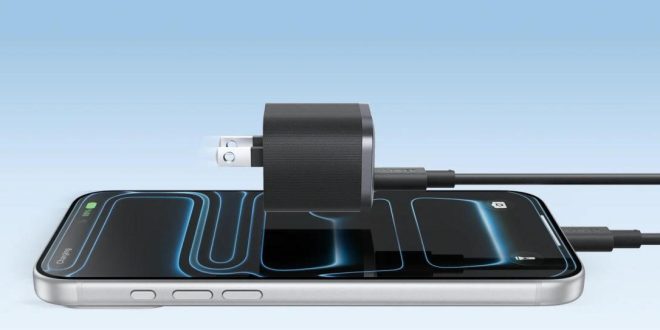
Battery health feels abstract until you notice the percentage drop faster than expected. Many users check it casually one day and then start worrying when it suddenly shows a noticeable decline. In real life, your phone is with you all day, navigating, messaging, streaming, and charging whenever there is an outlet nearby. Battery wear is not caused by one single mistake, but by many small habits repeated over time. In this article, we will explain why battery health drops quickly and how everyday choices quietly influence that number.
The Top Culprit: Heat Is Your Battery’s Worst Enemy
How Summer Heat and Fast Charging Generate Damaging Heat
Heat is the most damaging factor for lithium-ion batteries used in smartphones. During summer, simply using your phone outdoors or leaving it in a car can push temperatures beyond what the battery prefers. Fast charging also generates extra heat because higher power flows into the battery over a short period of time. When heat combines with fast charging, chemical reactions inside the battery accelerate and cause faster aging. Over months of repeated exposure, this damage becomes visible as a steady decline in maximum battery capacity.
Common Daily Habits That Overheat Your iPhone
Many everyday habits unintentionally trap heat around your phone. Using navigation while charging in the car is a common example, as GPS, screen brightness, and charging all generate heat simultaneously. Thick protective cases can also limit heat dissipation during long charging sessions. Gaming or video streaming while plugged in keeps the internal temperature elevated for extended periods. Although each session seems harmless, the cumulative effect slowly reduces battery health over time.
Your Charging Routine May Be Harming the Battery
The Problem with Constant Overnight Charging to 100%
Charging to 100% is not immediately harmful, but staying at that level for long periods stresses the battery. Overnight charging often keeps the phone warm while maintaining a full charge for several hours. Lithium-ion batteries age faster when held at high voltage states for extended durations. Over time, this repeated pattern contributes to faster capacity loss. This effect becomes more noticeable in newer generations with higher energy density.

Why Frequently Draining to Zero Stresses the Battery
Allowing your phone to drain to zero regularly places a different kind of stress on the battery. Deep discharges push the battery to its lower voltage limits, which accelerates internal wear. Recovering from a full discharge also generates additional heat during charging. Many people experience this when they delay charging until the phone shuts off completely. Maintaining a moderate charge range helps reduce this unnecessary strain and extends battery longevity.
How You Use Your iPhone Accelerates Wear
Power-Intensive Apps and Features That Strain the Battery
Certain apps demand significantly more power during normal use. Games, high-resolution video streaming, and augmented reality features push both the processor and graphics components harder. High screen brightness further increases energy consumption, especially in outdoor conditions. When these activities occur frequently throughout the day, the battery cycles more aggressively. Over time, heavier usage patterns translate directly into faster long-term degradation.
The Impact of Poor Cellular Signal on Battery Drain
Weak cellular signal quietly drains battery faster than many users expect. When reception is poor, the phone increases transmission power to stay connected to the network. This constant effort happens in the background without any visible alert. In areas with unstable coverage, battery percentage can drop quickly even during light usage. Increased drain leads to more frequent charging cycles, which accelerates battery wear over the long run.
Steps to Actively Slow Down Battery Health Loss
Enable Optimized Battery Charging and Use Short Top-Ups
Optimized Battery Charging is designed to limit how long your phone stays at a full charge by learning your daily routine and delaying the final charging stage until just before you usually unplug. This reduces the stress that long periods at 100% place on lithium batteries. Short charging sessions throughout the day are also often gentler than a single long charge from very low levels, as they keep the battery within a healthier operating range. When people worry that their charging habits may be harming the iphone 17 battery, focusing on controlled top-ups rather than extreme charging cycles can make a noticeable difference. In this context, using a stable, well-designed charger from Anker supports consistent power delivery and helps minimize excess heat during everyday charging, reinforcing these healthy habits without changing how the phone feels to use.
Adjust These Key Settings to Reduce Daily Strain
Beyond charging habits, daily system settings play a major role in how quickly battery health declines. Reducing screen brightness and enabling auto-brightness lowers constant power demand during normal use. Turning off background refresh for apps you rarely use prevents unnecessary activity when the phone is idle. Limiting notifications also reduces frequent screen wake-ups that slowly consume energy throughout the day. Together, these small adjustments reduce overall battery strain and complement smarter charging practices for long-term battery health.
Conclusion
Battery health decline is not a mystery once daily habits are examined closely. Heat exposure, charging routines, and usage patterns all play important roles in how fast capacity drops. The encouraging part is that small, realistic changes can significantly slow this process. You do not need to drastically change how you use your phone, only how you support it. With mindful charging and thoughtful daily habits, your battery can remain healthier for much longer.