 Pagalmusiq.com Popular News Update Website | Pagalmusiq.com
Key Takeaways
● Substance use and mental health challenges can deeply impact personal relationships through trust issues and emotional distance.
● Rebuilding strong connections requires honesty, consistency, healthy boundaries, and patience.
● Professional support and financial planning play critical roles in the recovery journey.
● Some relationships may not be salvageable, and it’s important to accept and focus on personal healing when necessary.
Understanding the Impact of Addiction and Mental Health on Relationships
Addiction and mental health struggles can reshape the dynamics of even the closest relationships. When someone is battling substance use disorders (SUDs) or severe emotional distress, their behaviors and priorities may shift significantly. This often leads to breakdowns in trust, communication, and emotional availability, affecting partners, family members, and close friends. These changes can stir feelings of betrayal, fear, and disconnection. Loved ones may also experience secondary trauma, heightened stress, or even develop codependent patterns as they try to cope with the unpredictability of the situation.
Recognizing the profound effects of addiction and mental health challenges on personal connections is essential for those on the healing journey, both for loved ones and for individuals in recovery. Addressing these realities openly is the foundation on which relationships can begin to heal. Education about the nature of addiction and mental health disorders can also be transformative, helping family and friends understand that these struggles are not moral failings but medical and psychological conditions. For those seeking more information about support resources, dedicated treatment centers and online communities offer valuable guidance for moving forward.
The journey to repairing relationships takes courage and vulnerability from all parties involved. Support from outside sources, such as addiction specialists or relationship counselors, can often provide clarity and tools for recovery. Structured programs like family therapy, couples counseling, or peer-support groups offer safe spaces to process emotions and rebuild trust. Prioritizing wellness and communication is central to repairing damage done by addiction and mental health issues.
Steps to Rebuild Trust
Once broken, trust must be earned back through genuine actions and time. Making amends for the person in recovery begins with acknowledging the harm their struggles have caused. This doesn’t mean offering empty apologies—it means owning up to past decisions and the resulting hurt.
● Acknowledging Past Mistakes: Thoughtfully address the pain and disappointment caused by addiction-related behaviors. Transparency about past actions opens the door for honest conversations and, eventually, forgiveness.
● Maintaining Consistency in Sobriety: Daily actions must align with the recovery process. Committed routines demonstrate reliability and self-control, reassuring loved ones of genuine change.
● Open Communication: Express needs, fears, and boundaries honestly and encourage loved ones to do the same. Rebuild dialogue by discussing feelings and listening without judgment or defensiveness.
These foundational steps may take time, but consistency leads to gradual restoration of trust over weeks, months, or even years.
Setting Healthy Boundaries
Mutual boundaries are vital for any recovery process. Without clear guidelines about acceptable behaviors and emotional limits, old patterns of enabling or codependency can resurface and disrupt healing.
● Clearly define healthy behaviors and communication within your relationship and agree on what’s off limits.
● Respect one another’s emotional space and recognize that both sides may need time to process or heal separately.
● Ensure boundaries are mutually understood and consistently upheld to foster safety and trust for everyone involved.
For more comprehensive tools on setting healthy relationship boundaries.
Seeking Professional Support
Healing strained relationships often requires outside assistance. Addiction counselors, individual and family therapists, and facilitated peer support groups can guide families through painful memories and practical tools for reconciliation. Family therapy sessions, in particular, provide structured environments for honest conversations and rebuilding emotional safety.
Specialized support groups allow participants to connect with others who’ve faced similar challenges, sharing coping strategies and encouragement. Professional intervention doesn’t just benefit the person in recovery—it empowers entire families to recover from the collective trauma of addiction and mental health struggles.
Rebuilding Emotional Intimacy
Emotional connection may be one of the toughest parts of a relationship to restore. Vulnerability is essential: Expressing hopes, fears, and gratitude in a safe environment helps rebuild emotional closeness.
● Engage in regular conversations that go beyond surface-level exchanges. Let partners and loved ones know your feelings, even about small things.
● Practice active listening—truly hearing and reflecting the other person’s words and emotions.
● Find shared activities or rituals that foster positive memories and mutual enjoyment, such as cooking together, playing games, or walking in nature.
These practices gradually re-establish emotional intimacy and help redefine relationships beyond past hurt.
Patience and Understanding
Genuine healing is a process, not a destination. Both parties need to practice patience and understand that emotional setbacks and occasional lapses in communication are normal. Celebrate progress, no matter how small—a few months of consistent sobriety, attending therapy together, or handling a conflict constructively should all be acknowledged.
Maintaining a long-term perspective creates space for resilience in the face of setbacks and empowers individuals and relationships to grow stronger.
Addressing Financial Strains
Addiction and mental health challenges often lead to financial instability, which can create added pressure in relationships. Collaboratively establishing a budget, seeking financial counseling, and being transparent about debts or spending plans restores some of the control lost during periods of crisis. These steps can remove one of the most common sources of conflict as couples and families move forward together.
When Relationships Cannot Be Repaired
Some relationships may be irreparably damaged despite the best intentions and sustained efforts. Accepting this reality can be difficult, but it is sometimes necessary for individual healing and well-being. All parties deserve nurturing, healthy connections—sometimes this means letting go of the past and focusing on building new, positive relationships in recovery.
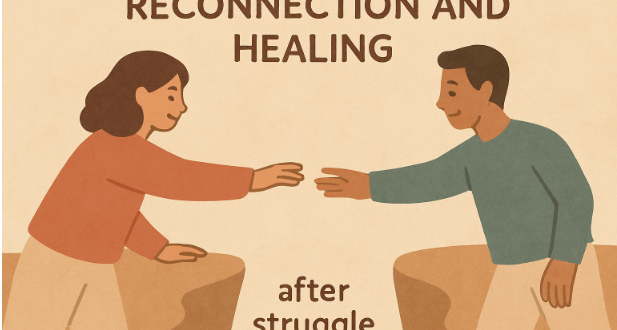
Repairing relationships after addiction and mental health challenges is complex, requiring empathy, commitment, and professional support. With perseverance and the right strategies, rebuilding healthy, supportive connections is possible, paving the way for deeper healing and a brighter future.