 Pagalmusiq.com Popular News Update Website | Pagalmusiq.com
Smartwatches have quickly become more than accessories. They monitor sleep, track activity, and record heart rates. Increasingly, they also show potential in mental health. Subtle changes in physical patterns often reflect emotional states. When stress, anxiety, or depression take hold, the body reacts. Elevated heart rate, disrupted sleep, or sudden inactivity can all be signals. Smartwatches collect this data daily, building profiles that reveal trends. The question is whether these devices can go further: predicting mental health crises before they escalate. Exploring their capabilities highlights both opportunities and challenges, including privacy, reliability, and the responsibility of turning raw data into meaningful insights.
Smartwatches as Early Warning Systems
Smartwatches already monitor physical signals that link to mental well-being. Their role as potential early warning systems lies in interpreting patterns, highlighting risks, and guiding users to take proactive steps.
Detecting Physiological Clues
The body often signals mental strain before the mind fully acknowledges it. Restlessness during sleep, irregular heart rhythms, or prolonged inactivity can serve as indicators. Smartwatches collect these metrics continuously. When analyzed, they highlight patterns connected to stress or emotional decline. For example, consistent sleep disruption may point to rising anxiety, while sudden drops in activity could reflect low motivation. While not medical diagnoses, these clues provide users with valuable insights that help them take early action. By paying attention sooner, people can adjust habits or seek support before difficulties intensify. The key strength lies in continuous monitoring that traditional checkups cannot provide.
Recognizing Behavioral Shifts
Smartwatches also track behaviors beyond physical health. Notifications left unread, alarms ignored, or irregular usage patterns can reflect changes in emotional state. A person who stops engaging with prompts may be showing withdrawal. Similarly, sudden surges in screen interactions late at night can hint at restlessness or insomnia. By recognizing these behavioral signals, smartwatches provide context alongside physical metrics. The combination strengthens awareness, giving a fuller picture of daily well-being. Together, physiological and behavioral data make wearables powerful tools for early support.
Offering Timely Alerts
Once patterns suggest elevated need, smartwatches can send gentle alerts. These notifications may encourage relaxation exercises, hydration, or a check-in with a trusted contact. The goal is not to alarm but to guide constructively. An alert at the right moment can shift the course of a day: reminding someone to take a walk after hours of inactivity may lift mood, or suggesting breathing exercises during a high heart-rate spike may calm anxiety. By framing alerts as supportive nudges, smartwatches maintain trust and become partners in daily care.
Smartwatches as Supportive Companions
Beyond prediction, smartwatches can support individuals in daily well-being. They encourage healthier routines, strengthen social bonds, and promote reflection, which all help reduce the risk of crises.
Encouraging Preventive Habits
Prevention is often the strongest form of care. Smartwatches prompt users to sleep consistently, stay active, and manage stress. These habits form the foundation of resilience. For instance, reminders to stand, stretch, or practice mindfulness anchor the day. Over weeks, these routines strengthen stability and create a buffer against stress. By guiding small daily choices, wearables transform prevention into a natural part of life. Their strength lies in repetition—turning positive behaviors into lasting rituals that protect well-being.
Facilitating Social Connection
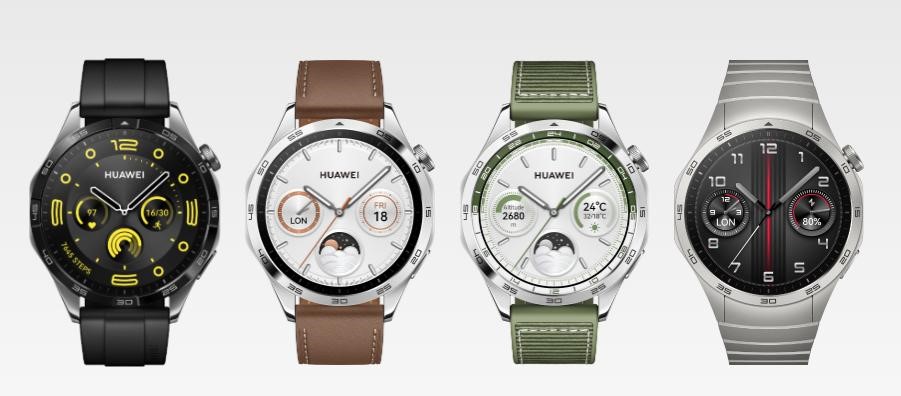
Connection is a vital protective factor. Smartwatches make it easier to stay in touch with friends, family, and communities. Quick replies, event reminders, or shared activity goals provide frequent touchpoints. A buzz on the wrist can prompt a check-in or encourage participation in a group event. These small interactions build a steady sense of belonging. Communities can also organize wellness challenges, motivating members to stay active together. Devices like the huawei watch gt6 pro highlight how technology can balance wellness tracking with connectivity, proving that mental health support is not only about personal data but also about human bonds.
Supporting Reflection and Self-Awareness
Mental health thrives when individuals understand themselves. Smartwatches promote reflection by presenting data in clear, digestible ways. Daily summaries of activity, sleep, or stress encourage people to notice patterns. A user may realize that skipping exercise leads to poor sleep, or that late-night work increases stress. These insights transform raw data into stories of self-awareness, enabling more informed choices. Reflection builds resilience, helping people anticipate needs and adapt before difficulties grow.
Conclusion
Smartwatches cannot replace professional mental health care, but they can complement it in powerful ways by acting as proactive allies. They detect physiological signals, observe behavioral shifts, and deliver supportive alerts that encourage early action. They also serve as companions, guiding preventive habits, enabling social connections, and fostering reflection. Their potential grows when accuracy is strengthened, privacy is respected, and insights are framed responsibly. Used thoughtfully, these devices empower people to recognize changes early, nurture resilience, and stay connected with themselves and others. By blending data with gentle guidance, smartwatches go beyond convenience—they become meaningful partners in promoting stability, reducing risks, and supporting long-term well-being.